Making good matcha at home is simpler than you think—but there are a few rules to follow to avoid a lumpy, overly bitter, or lukewarm bowl. Here’s a step-by-step guide, from essential utensils to pro tips.
Necessary equipment
The Essentials (basic kit)
- Good matcha powder — ceremonial (premium) grade if you drink it plain, culinary grade if it's for a latte or baking.
- A chasen — an 80 or 100-prong bamboo whisk. Essential for proper emulsification.
- A chawan — a wide, flat-bottomed bowl. A large coffee mug will do in a pinch.
- A measuring spoon (chashaku) or a simple teaspoon.
Optional but useful
- A fine sieve — to break up any lumps before preparation.
- A kettle with adjustable temperature control — the water should not boil.
Choosing your matcha
The quality of the matcha determines 80% of the final result. Ceremonial grades (the most expensive) are meant to be drunk plain. Culinary grades are more bitter and are better suited for lattes and pastries.
Check three indicators:
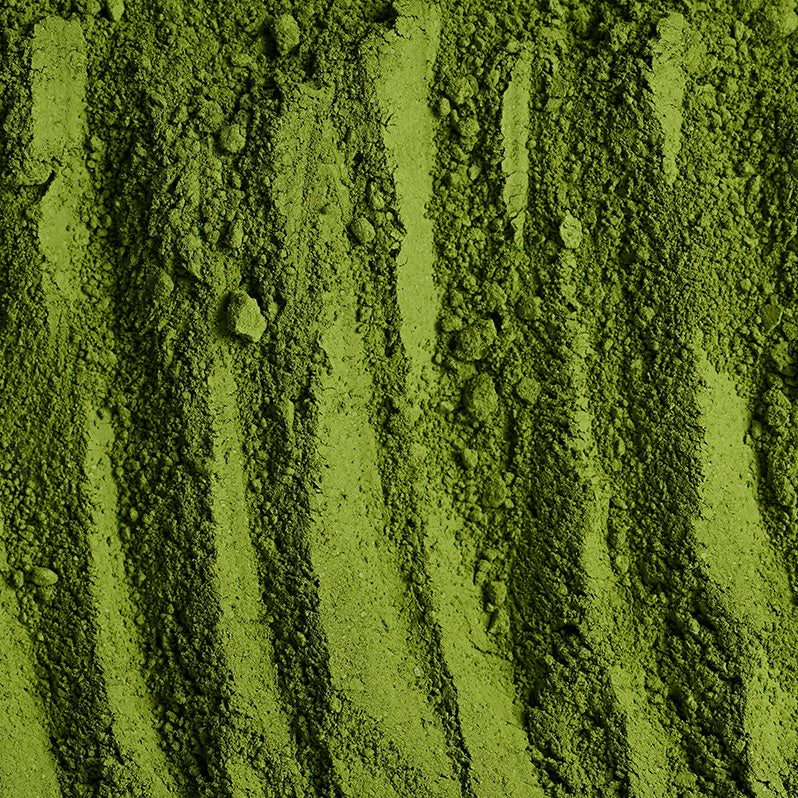
- Color: A good matcha is bright green, almost fluorescent. A yellow-green or olive color indicates inferior quality or an oxidized product.
- Origin: Prefer Uji, Nishio, or Kagoshima. Beware of non-Japanese matchas (China, Korea) sold as such.
- Fineness: The powder should be ultra-fine, like talcum powder. If it's grainy, it's a bad sign.
Traditional matcha recipe (usucha)
Ingredients for one bowl
- 1 to 2 g matcha powder (about 1 heaped teaspoon)
- 60 to 80 ml water at 70-80 °C (158-176 °F)
Step by step
- Preheat the bowl. Fill the chawan with hot water, let sit for 30 seconds, then empty and wipe dry. A cold bowl is error #1.
- Prepare the whisk. Dip the chasen in hot water for a few seconds to soften the prongs and prevent them from breaking.
- Sift the powder. Sift 1 to 2 g of matcha through a fine sieve directly into the bowl. This step prevents all lumps.
- Pour the water. Add 60-80 ml of water at 70-80 °C (158-176 °F). Absolutely no boiling water: it burns the powder and brings out bitterness.
- Whisk. Hold the chasen vertically and whisk in a fast "M" or "W" motion, never in circles. The movement should be brisk (from the wrist, not the arm) for 15 to 20 seconds.
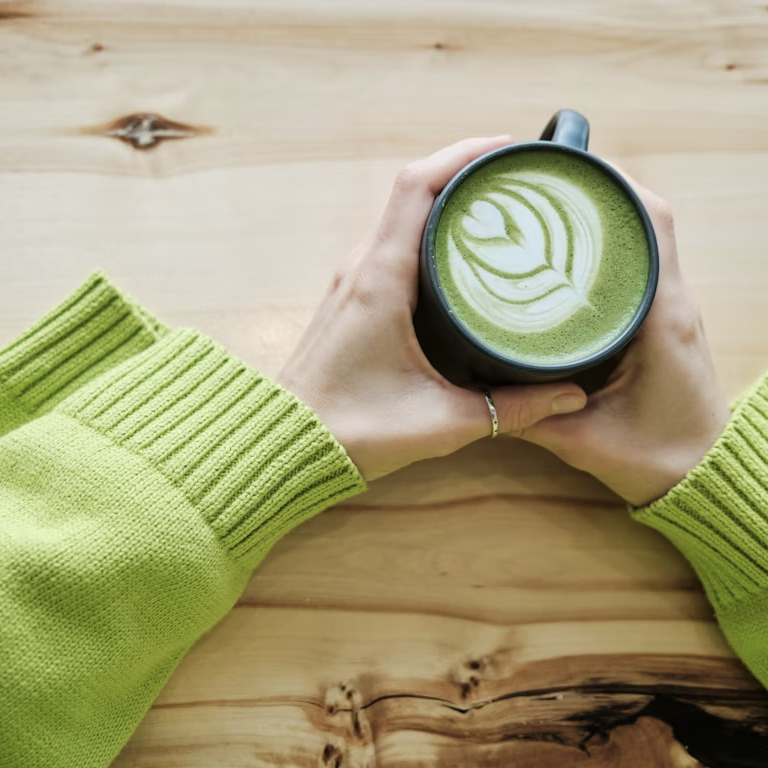
- Check the foam. Good matcha forms a fine, stable foam on the surface, with micro-bubbles. If the foam has large bubbles, whisk faster and harder.
- Drink immediately. Matcha should be enjoyed within two minutes, otherwise the powder settles to the bottom of the bowl.
Matcha latte recipe
For a softer, more accessible version:
- Whisk 1 teaspoon of matcha with 30 ml of water at 70 °C (158 °F) (using the method above).
- Heat 200 ml of milk (dairy or plant-based — oat milk works particularly well).
- Pour the hot milk over the whisked matcha.
- Sweeten to your taste: maple syrup, honey, coconut sugar. Matcha latte is also delicious iced in summer.
The 5 mistakes to avoid
1. Boiling water
The most common mistake. At 100 °C (212 °F), catechins become astringent, and bitterness dominates. Aim for 70-80 °C (158-176 °F). If you don't have a thermometer, wait 3 minutes after boiling.
2. Too much powder
1 to 2 g is enough for 60-80 ml of water. Beyond that, you get koicha (thick matcha), a very potent ceremonial preparation that isn't the most accessible.
3. Whisking in circles
Use an M or W motion, never circular. The linear motion creates a homogeneous emulsion.
4. Leaving matcha exposed to air
The powder oxidizes very quickly. Store it in the refrigerator in its original airtight packaging, and take it out 30 minutes before use. Consume within a month of opening.
5. Buying low-quality matcha
Bad matcha always yields a bad result, regardless of technique. Invest in good quality (15-25 € for 30 g of good culinary grade, more for ceremonial).
Pro tips
- Filtered water: Hard tap water alters the taste. Opt for low-mineral water.
- Cold preparation: For iced matcha, whisk the powder in a little cold water, then add cold water and ice cubes. Ideal in summer.
- Chasen care: Never leave it soaking. Rinse with clear water after use and let it dry on a ceramic stand (kusenaoshi) that maintains its shape.
How long does it take to master?
The first week, your bowls will be imperfect. But after 10-15 preparations, you'll achieve foam worthy of a Kyoto tea room. It's one of the fastest culinary skills to master once you understand the technique.
All the authentic Japanese equipment and matcha to get started are available on Japanity. Happy preparation!