Tea arrived in Japan over 800 years ago and has been evolving ever since. From the Zen ceremony to iced matcha lattes, here's the history of Japanese tea in five major steps.
1. Chinese Origin (8th-12th Century)
Tea arrived in Japan via Buddhist monks in the 8th century. The earliest records describe Chinese green tea, imported in compressed brick form. But it was the monk Eisai who, in 1191, brought the first tea plant seeds from China and established cultivation in Japan, particularly in the Uji region near Kyoto.
Eisai also published a book, Kissa Yojoki ("Drinking Tea for Health"), often considered the first Japanese work on tea.
2. The Tea Ceremony (15th-16th Century)
During the Muromachi period, chanoyu (the tea ceremony) developed. Initially reserved for the elite, it became a codified art under the influence of the great master Sen no Rikyū (1522-1591).
Rikyū introduced the principle of wabi-sabi: beauty in simplicity, imperfection, humility. A chanoyu takes place in a small tatami room, with modest but ritually precise utensils. Matcha is central.
Chanoyu became a spiritual discipline, not just a tasting. It influenced aesthetics, architecture, gardens, and fashion.
3. Democratization (18th-19th Century)
During the Edo period, the farmer Nagatani Soen invented the manufacturing process for modern sencha (infused loose-leaf green tea) in 1738. This innovation made tea accessible to the common people.
Matcha remained a luxury product for ceremonies, but sencha became the everyday tea. At the same time, other regions developed their specialties: Shizuoka for quality sencha, Kagoshima for bancha.
In 1920, hojicha was invented in Kyoto to avoid wasting old bancha leaves: they were roasted. Immediate success.
4. Industrialization (20th Century)
The second half of the 20th century transformed the relationship with tea:
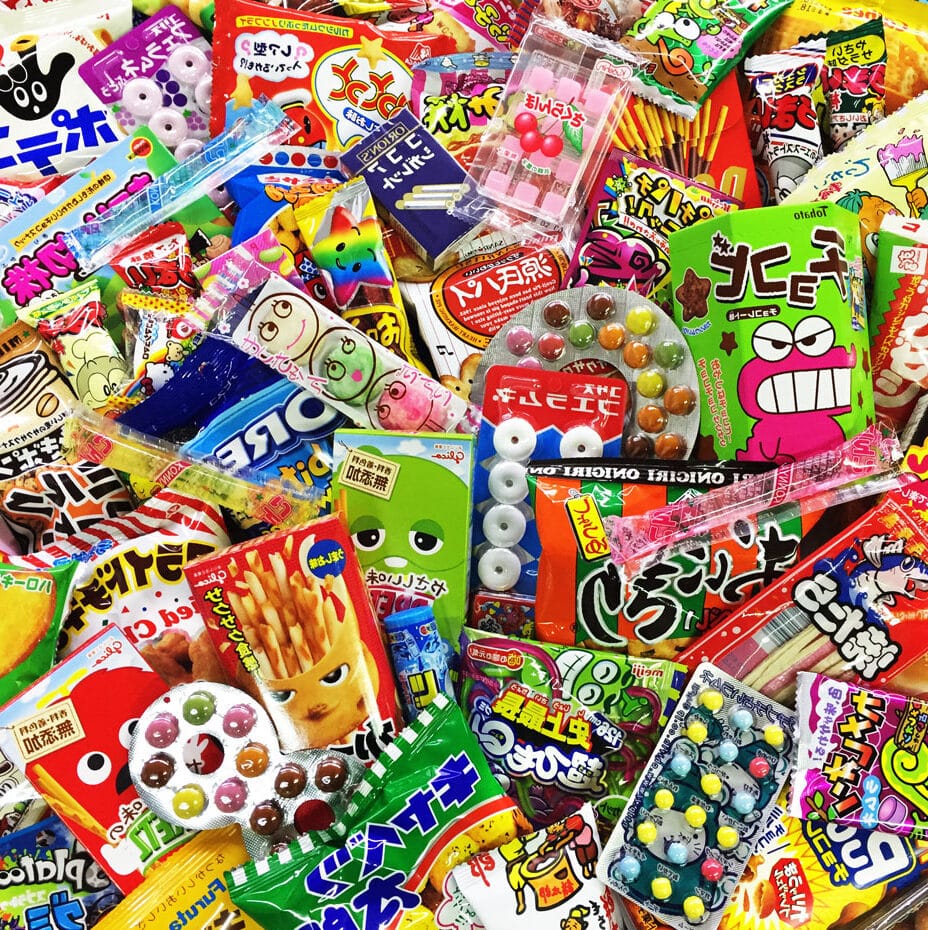
- 1966: Glico created Pocky, integrating tea culture into snacking.
- 1985: Itoen launched the first canned green tea.
- 1989: Itoen released Oi Ocha, bottled green tea, which revolutionized consumption.
- 1990s: explosion of tea vending machines.
Tea transitioned from a meditative ritual to an everyday beverage, in general.
5. Globalization and the Matcha Boom (2000-present)
In the 2000s, matcha conquered the Western world, thanks to three factors:
- The wave of superfoods and antioxidants.
- The craze for Japanese pop culture (anime, J-fashion, J-pop).
- The explosion of Instagram: vibrant green matcha is extremely photogenic.
Today, the global matcha market exceeds 4 billion dollars. Starbucks, Pierre Hermé, Magnum – everyone is getting involved. But this global demand also created a shortage in 2024-2025: Japan cannot produce enough.
Producing Regions
- Uji (Kyoto) — historical birthplace. Premium matcha and gyokuro.
- Shizuoka — largest producing region. Quality sencha.
- Kagoshima — southern Japan. Modern sencha and culinary matcha.
- Mie — Ise tea.
- Saitama — Sayama tea (colder region, more powerful profile).
Types of Tea in Japan Today
| Tea | Type | Characteristic |
|---|---|---|
| Matcha | Powdered | Shaded, ground leaves |
| Sencha | Loose-leaf | Most consumed green tea |
| Gyokuro | Loose-leaf | Premium shaded |
| Bancha | Loose-leaf | Second flush, more rustic |
| Hojicha | Roasted | Low caffeine, roasted notes |
| Kukicha | Stems | Low caffeine, mild |
| Genmaicha | With puffed rice | Popcorn notes |
| Mugicha | Barley | Caffeine-free, summer |
Why Japanese Tea is Unique
Some peculiarities:
- Steamed (non-oxidized) processing, unlike Chinese tea which is pan-fired.
- High L-theanine content, which provides a "calm alertness" effect.
- Very green color (chlorophyll preserved).
- Typical vegetal + marine (umami) aromatic profile.
The Future of Japanese Tea
Three trends are emerging:
- Premiumization — buyers are looking for pure ceremonial matcha.
- Diversification — hojicha latte, iced kukicha, Japanese black tea (wakocha).
- Sustainability — producers are adopting organic farming.
How to Get Started?
If you've never had Japanese tea, start with:
- A loose-leaf hojicha — mild, caffeine-free.
- A Shizuoka sencha — the everyday tea.
- An Itoen culinary matcha — for homemade lattes.
- A ceremonial matcha — when you're ready for the "real thing."
On Japanity, we offer the full range: from sencha to ceremonial matcha, imported directly from the best Japanese regions.