In Europe, snacking between meals is often associated with guilt. In Japan, it's quite the opposite: snacking is a codified ritual, a social act, an aesthetic pleasure. This cultural difference explains why Japanese snacks are so refined. Let's delve deeper.
Snacking is not nibbling
In Japanese, the word for "snack" (oyatsu, おやつ) literally comes from the expression "eight o'clock in the evening" (八つ, yatsu doki in the old time system), meaning a specific time of day (around 3 p.m. in modern hours) reserved for a sweet break. So, snacking is not a compulsive behavior; it's an institutionalized moment.
In Japanese schools, oyatsu is a daily mini-ritual. Children look forward to it, share it, and comment on it.
The snack as an aesthetic object
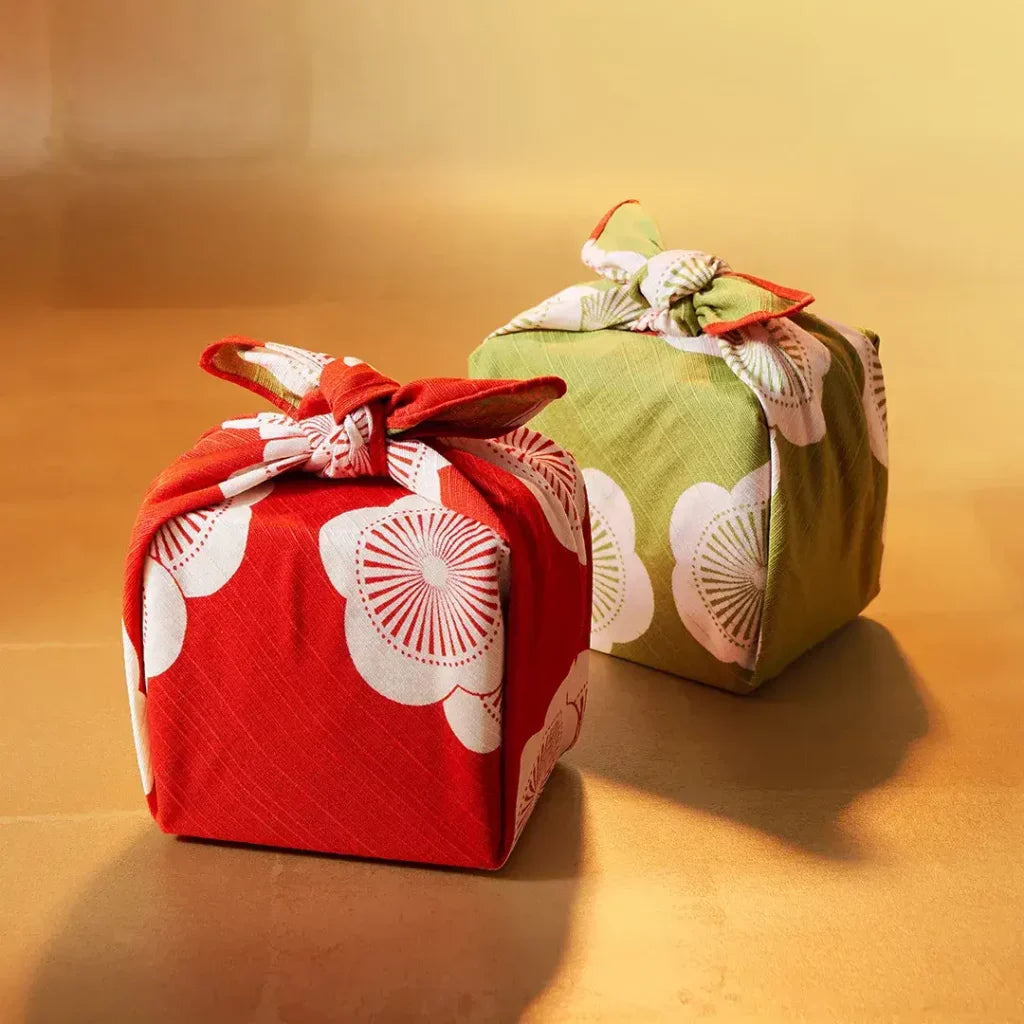
Japan treats food as a visual work of art. A snack isn't just eaten; it's looked at. This explains:
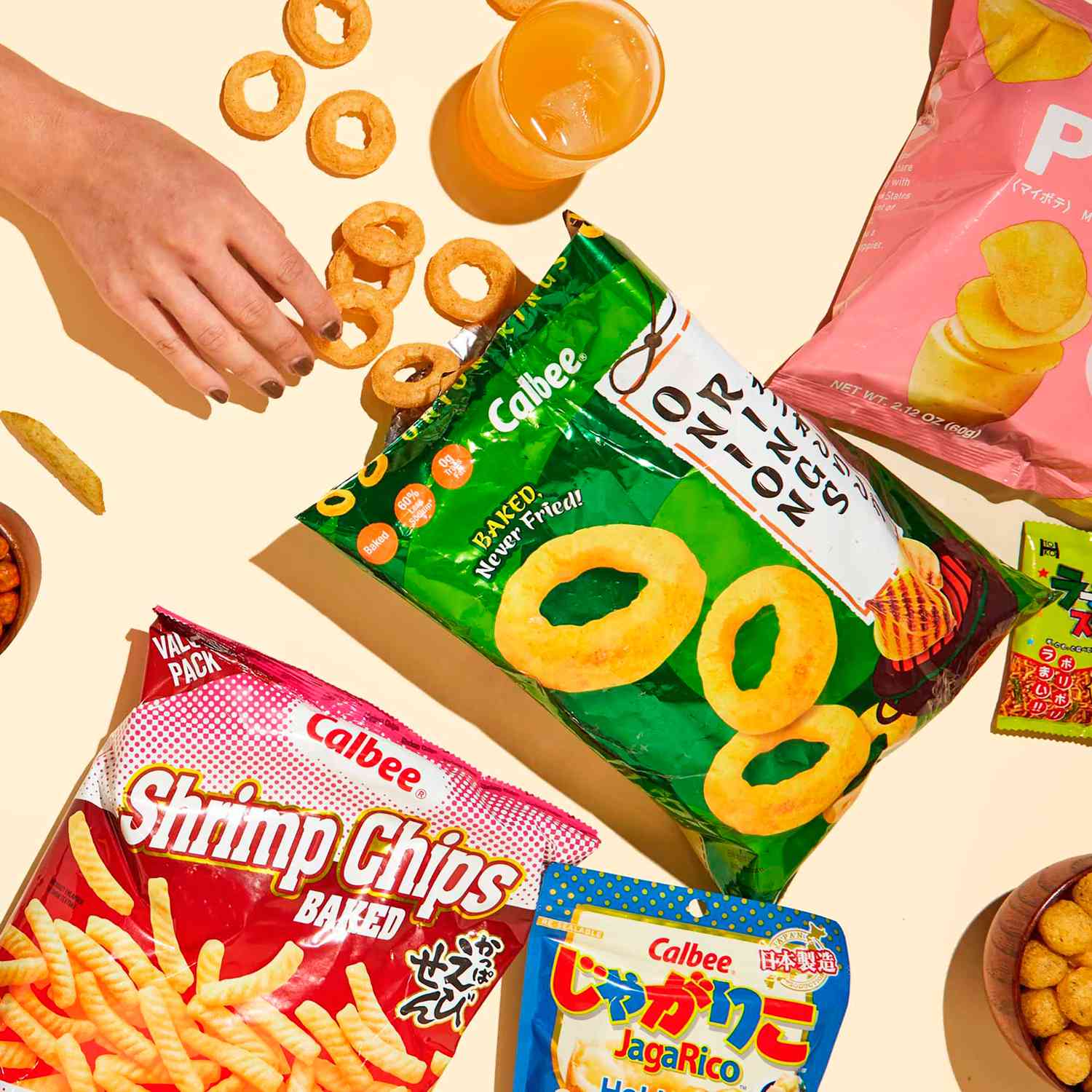
- The colorful and refined packaging (a Pocky packet is more thoughtfully designed than a Coca-Cola logo).
- The geometric shapes (perfect sticks, smooth spheres, sculpted flowers).
- The recurring artistic collaborations with illustrators, animes, and fashion brands.
A Japanese snack is designed to make a beautiful photo, and thus to be shared.
The seasonal snack
One of the most striking peculiarities: each season has its snacks. Sakura in spring, yuzu in autumn, hojicha in winter, iced mochi in summer. Brands release seasonal limited editions that follow the traditional calendar of shun (the perfect season for a product).
This logic drives innovation — and creates desirable scarcity. A sakura Pocky available 6 weeks a year creates anticipation.
The snack as a gift
In Japan, you never arrive empty-handed at someone's home. The snack is a medium for social relationships. Three examples:
- Omiyage — food souvenir brought back from a trip, shared with colleagues. Mandatory.
- Valentine's Day — women give chocolate to men (giri-choco to colleagues, honmei-choco to a loved one).
- White Day (March 14) — men reciprocate, often with marshmallows or cookies.
This system creates a colossal and refined snack-gift market.
Small snack, big market
The Japanese snack market represents over 3 trillion yen (approximately 20 billion euros) per year. It is one of the most dynamic in the world, with constant product innovation: on average, a Japanese person has access to over 500 new snack references per year in konbini.
The diversity of textures
One thing that surprises Westerners: Japan's extreme preoccupation with texture. There are precise words:
- Sakusaku — light crisp (Pocky style).
- Karikari — firm crunch (Pretz style).
- Mochi mochi — elastic melting (mochi).
- Funwari — airy soft (Japanese bread).
- Tsurutsuru — slippery smooth (noodles, jelly).
A Japanese snack is created to offer a precise textural experience, as much as a taste experience.
Snacks and health
Contrary to popular belief, many Japanese snacks are less fatty and less sweet than their Western equivalents. Portion sizes are also smaller: a packet of Pocky is 60-70 g, compared to 150 g for a European Mars bar.
Furthermore, some snacks claim functional properties: Bisco with lactic ferments, Calorie Mate for athletes, Soyjoy with proteins... The "healthy snack" marketing is very developed.
Why Japanese snacks appeal to the West
Three reasons:
- Innovation — you'll find everything: from sake Kit Kat to pizza Pretz, and yuzu iced mochi.
- Kawaii aesthetic — each package is a work of art.
- The promise of sharing — eating a Pocky implicitly means sharing (the "Pocky Game" in animes).
And the future?
With the massification of Japanese pop culture (anime, manga, J-pop, but also fashion and gastronomy), Japanese snacks are becoming a permanent fixture in global cuisine. It's no longer a curiosity: it's a category in its own right.
At Japanity, we directly import the snacks that make Japanese culture unique. More than a bite: a fragment of culture.